Vena Journal · Body Care
How to Use Body Oil So It Feels Soft, Not Greasy
Learn how to apply body oil after a shower, how much to use, where to use it, and how to layer it for soft, naturally luminous-looking skin.
Share this ritual

How to Use Body Oil So It Feels Soft, Not Greasy
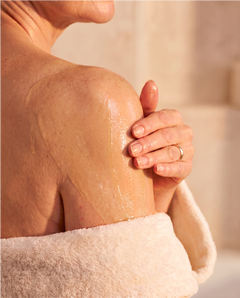
Quick answer: Apply body oil after a shower when your skin is damp, not dripping. Start with a small amount, warm it between your palms, smooth it over the areas you want to soften, and give it a moment to settle before dressing. If your skin wants more, add it slowly—do not start with too much.
Body oil is simple to use, but the timing changes everything. Used on dry, rushed skin in a large amount, it can feel like too much. Used on lightly damp skin with a little intention, it can leave your body feeling soft, comfortable, and naturally luminous.
This guide gives you the exact ritual: when to apply it, how much to begin with, where it makes the most sense, how to layer it, and what to do if you want the finish to feel less rich.
The five-step after-shower method
|
Step
|
What to do
|
What to notice
|
|
1. Shower as usual
|
Use comfortably warm water and your usual gentle cleanser.
|
You want clean, comfortable skin—not the tight feeling that can come from a very hot, long shower.
|
|
2. Towel to damp
|
Pat your skin until it is no longer dripping but still lightly damp.
|
Damp is the sweet spot. Soaking-wet skin will dilute and move the oil around too much.
|
|
3. Start small
|
Dispense a modest amount into your palm.
|
You should feel enough slip to spread it, not enough to leave a heavy layer.
|
|
4. Warm and smooth
|
Rub your palms together briefly, then use long, easy strokes over your body.
|
Start with arms, legs, chest, shoulders, and dry-prone areas.
|
|
5. Let it settle
|
Give the oil a moment before getting dressed.
|
Your skin should feel soft and conditioned, not slippery. Add more only where you want it.
|
Mayo Clinic advises applying moisturizer while skin is still damp after bathing and notes that oils can help keep water within the skin’s surface. Think of body oil as a finishing layer that works with the water already on your skin—not as something you need to overapply.
How much body oil should you use?
The most common mistake is using more than you need. A body oil should feel like a soft veil, not a coating.
There is no single amount that works for everyone because body size, climate, skin feel, and the product’s pump all matter. But as a useful starting point, use a small pump or a few drops for one broad area, spread it first, and then decide if you want more. You will usually need less than you expect on shoulders, arms, and chest; you may want a little more on shins, knees, elbows, hands, and feet.
If the finish feels heavier than you wanted, do not assume body oil is not for you. Try using half as much next time and apply it to lightly damp skin instead of completely dry skin.
Start small. Let your skin decide.
Where should you apply body oil?
Body oil can be used almost anywhere on the body where your skin wants a conditioned, comfortable finish. The best use is the one that fits your day.
|
Moment
|
How to use body oil
|
|
After a shower
|
Smooth it from shoulders to ankles on lightly damp skin for an all-over ritual.
|
|
On dry-prone areas
|
Give extra attention to elbows, knees, shins, ankles, hands, and feet.
|
|
Before getting dressed
|
Use a light layer on arms, legs, shoulders, or chest and let it settle first.
|
|
Before a special occasion
|
Apply sparingly to exposed skin for a natural-looking sheen.
|
|
As an evening reset
|
Use slower strokes after bathing and focus on the areas that carried you through the day.
|
There is no need to put body oil everywhere every time. A few intentional areas can make the ritual feel just as good.
Should you use body oil on damp or dry skin?
Both can work. Lightly damp skin is usually the easiest choice after a shower because the oil spreads beautifully and helps create a soft finish. Dry skin is also a good option when you want to add a little comfort or glow later in the day.
The important distinction is between damp and soaking wet. If water is still running down your skin, pat a little more before applying oil. If your skin is completely dry, use a smaller amount and give yourself a few extra seconds to work it in.
Should body oil go before or after lotion?
If you want to layer, apply lotion or cream first and body oil afterward. The lotion or cream gives you a moisture step; the oil becomes the final conditioning layer.
This can be a lovely option when your skin feels especially dry, when the air is cold, or when you want to give knees, elbows, shins, or feet a little more attention. You do not need to layer every day. On many days, body oil on lightly damp skin can be enough on its own.
For a clear guide to choosing the texture that makes sense for your day, read our comparison of body oil, lotion, or body butter.
Morning application vs. evening ritual
In the morning
Keep it light. After a shower, apply body oil to the areas that will be visible or that tend to feel dry: arms, legs, shoulders, chest, and hands. Give it a minute to settle before getting dressed. If your skin will be exposed outdoors, follow with broad-spectrum sunscreen. Body oil is a care step; it does not replace sun protection.
In the evening
Let the same steps feel slower. Start at your feet, work upward, and give a little more time to calves, knees, arms, elbows, and hands. If you have used a richer cream first, use a smaller amount of oil as your final layer.
The ritual does not need to be long to feel restorative. It only needs to be repeated often enough to become familiar.
Five body-oil mistakes that are easy to avoid
1. Applying it while your skin is soaking wet
A little water is helpful. Too much water makes the oil slide around and can leave you feeling like you used more than you did. Pat first; then apply.
2. Starting with too much
You can always add more. It is much harder to take away an overgenerous layer before you are dressed. Begin with a small amount and work in sections.
3. Dressing immediately
Give your skin a moment. You do not need a long wait, but a short pause lets the oil settle into a more comfortable finish.
4. Using it as sunscreen
A beautiful sheen is not sun protection. Apply a dedicated broad-spectrum sunscreen to skin that will be exposed outdoors. The American Academy of Dermatology recommends broad-spectrum, water-resistant SPF 30 or higher for exposed skin.
5. Forgetting the shower floor
Oil and water can make surfaces slippery. Apply body oil once you have stepped onto a towel or bath mat, clean any drips promptly, and keep the bottle secure.
A simple routine is enough
Body oil works best when it feels like part of life, not another rule to master. You do not need to use it from neck to toe every day. You do not need to buy several more products. Begin with damp skin, warm hands, and a small amount of oil. Let your own comfort guide the rest.
If you want to place body oil inside a complete daily rhythm—cleansing, optional weekly care, sun protection, and seasonal adjustments—see our simple body-care routine you can actually keep.
The after-shower step you can look forward to
Frequently asked questions
Can I use body oil every day?
Many people enjoy using body oil daily, especially after bathing. Follow the product directions and adjust the amount based on how your skin feels.
Can I apply body oil to dry skin?
Yes. Body oil can be used on dry skin whenever you want a conditioned feel or subtle glow. After a shower, lightly damp skin is often an especially comfortable time to apply it.
How do I keep body oil from feeling greasy?
Use less than you think you need, apply it to damp rather than soaking-wet skin, spread it evenly, and allow it a moment to settle before dressing.
What should I do if my skin feels especially dry?
Try applying a lotion or cream first and body oil over the top as the final layer. Pay extra attention to dry-prone areas such as shins, knees, elbows, hands, and feet.
Can I use body oil before shaving?
Use the product only as directed. For a post-shower body-care ritual, it is generally easiest to shave first, rinse, pat skin damp, and then apply your body oil afterward if skin feels comfortable.
Does body oil replace sunscreen?
No. Body oil is a body-care step, not sun protection. Use broad-spectrum sunscreen on skin that will be exposed outdoors.
References
Keep reading